Instant Connect

Scan to connect via WhatsApp or WeChat
The manufacturing method used to produce organobentonite significantly affects its purity, gel performance, and batch-to-batch consistency. Understanding the difference helps you source the right quality for demanding applications.
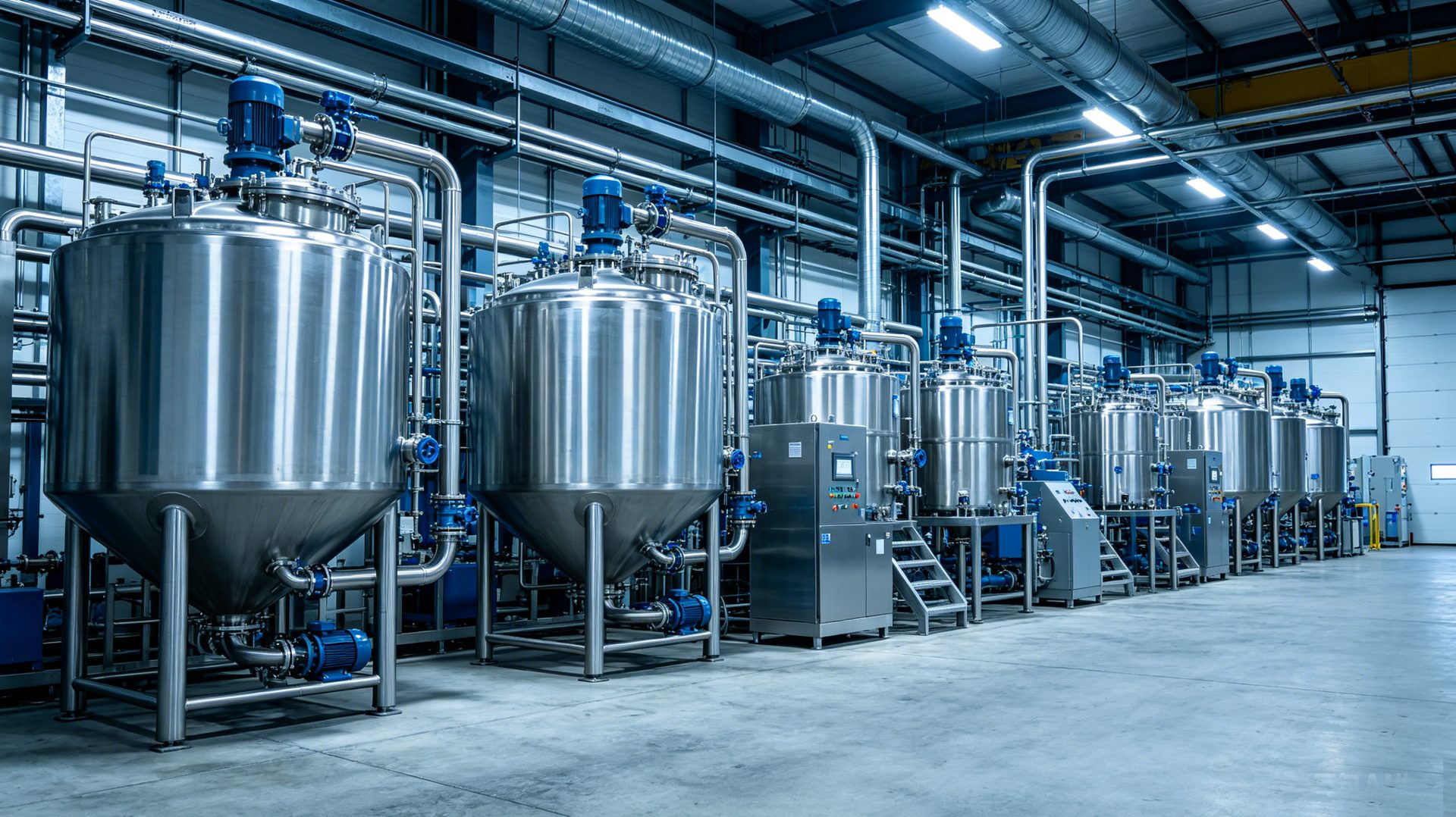
In the wet process, sodium bentonite is first purified by dispersing in water to form a high-solids slurry. Non-clay impurities (quartz, feldspar, carbonate minerals) that do not disperse are removed by centrifugation or sedimentation. The purified clay slurry is then reacted with the quaternary ammonium compound in an aqueous solution at 60–80°C. The organoclay product is filtered, washed, dried, and milled.
Advantages of wet process:
In the dry process, dry-milled bentonite powder is mixed directly with molten or dissolved quaternary ammonium compound under intensive mixing. The reaction occurs in the solid/melt phase without water purification of the clay.
Advantages of dry process:
Disadvantages of dry process:
CP Organoclay produces all product grades using the wet process. Our bentonite is beneficiated by aqueous slurry processing before modification, ensuring high purity and consistent organophilic character in every batch. All products are tested against API and internal quality standards before release.
Related: Our Factory · Certifications · What is Organoclay?
We reply within 24 hours on business days.
Thank you! Your inquiry has been received.
We'll get back to you within 24 hours.
WeChat ID
0086-13185071071