Organophilic clay rheology modifier for oil-based paints, drilling fluids, lubricating greases, printing inks, and adhesives. 15+ grades covering the full polarity range — from aliphatic mineral oil to aromatic ketone systems. ISO 9001:2015 certified. API 13A tested.
Natural bentonite is hydrophilic — it swells in water but not in solvents. During organoclay production, the hydrophilic interlayer cations (Na⁺, Ca²⁺) are replaced by long-chain quaternary ammonium cations via wet-process ion exchange at 60–70°C. This converts the clay surface from hydrophilic to organophilic, enabling dispersion and gel formation in non-aqueous media.
| Grade | LOI (1000°C) | Dispersion Fineness | Polarity Range | Activation | Primary Applications |
|---|---|---|---|---|---|
| CP-10 | 30–34% | ≤40 μm | Non-polar to medium | Easy-dispersing | Architectural coatings, general industrial |
| CP-10A | 30–34% | ≤40 μm | Non-polar to medium | Easy-dispersing | Architectural coatings, white paints |
| CP-26 | 26–29% | ≤40 μm | Non-polar to medium | Easy-dispersing | Economy paints, primers |
| CP-100 | 26–29% | ≤40 μm | Non-polar to medium | Easy-dispersing | Economy grade for general coatings |
| CP-34 | 28–30% | Standard | Low to medium-high | Conventional (polar activator) | Industrial coatings, marine, anti-corrosion, OBM drilling |
| CP-40 | 28–30% | Standard | Low to medium-high | Conventional | Aromatic + aliphatic coatings, OBM drilling |
| CP-24B | <29% | Standard | Low to medium | Conventional | Diesel-based drilling muds |
| CP-180B | 29–32% | Standard | Intermediate to low | Self-activating | High-solid coatings, OBM drilling (no activator) |
| CP-388 | 31–34% | Standard | Non-polar to high | Easy-dispersing | Wide-range industrial coatings, mixed systems |
| CP-APA | 32–35% | Standard | Moderate to high | Self-activating | High-polarity coatings (ketone, ester), adhesives |
| CP-MP | 34–36% | ≤10 μm | Low to high | Easy-dispersing | Transparent coatings, clear lacquers, wood finishes |
| CP-MPS | 31–34% | ≤10 μm | Non-polar to high | Easy-dispersing | High-clarity transparent coatings, wide polarity |
| CP-EDS | 34–37% | ≤10 μm | Medium to high | Easy-dispersing | Transparent, high-polarity coatings |
| CP-EZ10 | 32–35% | ≤10 μm | Low to medium | Enhanced easy-dispersing | Furniture coatings, anti-corrosion, transparent |
| CP-MP10 | 42% | ≤40 μm | Low to high | Self-activating (wide range) | Universal; wide polarity range, post-addition use |
| CP-RL | ≤33% | ≤20 μm | Low to medium-high | Easy-dispersing | General coatings, moderate polarity |
| CP-EL | 28–32% | Standard | Intermediate to low | Conventional | Low-polarity marine, aliphatic systems |
| CP-GL | 29–32% | Standard | Intermediate to low | Conventional | Low-polarity drilling, mineral oil systems |
| CP-250A | 28–35% | Standard | Mineral / synthetic oil | Heat + shear | Lubricating grease thickener (stable to 180°C) |
LOI (Loss on Ignition at 1000°C): Indicates organic modifier content. Higher LOI = higher quaternary ammonium loading = broader polarity compatibility and stronger gel in polar systems. Grades with dispersion fineness ≤10 μm are required for transparent and clear coatings.
| Application | Key Requirement | Recommended Grades | Dosage |
|---|---|---|---|
| Industrial protective coatings | Heavy pigment anti-settling, sag resistance, barrier | CP-34, CP-40, CP-388 | 0.3–1.5 wt% |
| Marine coatings | Extreme sag resistance, aggressive solvents | CP-34, CP-40, CP-EL | 0.5–2.0 wt% |
| Architectural coatings | Anti-settling, good brushability, white/light color | CP-10, CP-10A, CP-26, CP-100 | 0.2–0.8 wt% |
| Transparent / clear coatings | Zero haze, ≤10 μm fineness | CP-MP, CP-MPS, CP-EDS, CP-EZ10 | 0.2–1.0 wt% |
| High-solid coatings | Self-activating (no external activator) | CP-180B, CP-APA, CP-MP10 | 0.3–1.0 wt% |
| Oil-based drilling fluids | Yield point, gel strength, API 13A tested | CP-34, CP-40, CP-24B, CP-EL, CP-GL | 5–20 kg/m³ |
| Lubricating greases | NLGI consistency, stable to 180°C | CP-250A | 8–15 wt% on base oil |
| Printing inks | Thixotropy, anti-misting, pigment suspension | CP-34, CP-MP, CP-10 | 0.5–2.0 wt% |
| Adhesives & sealants | Non-sag, thixotropic extrusion profile | CP-APA, CP-EDS, CP-34 | 0.5–2.0 wt% |
| Property | Typical Range |
|---|---|
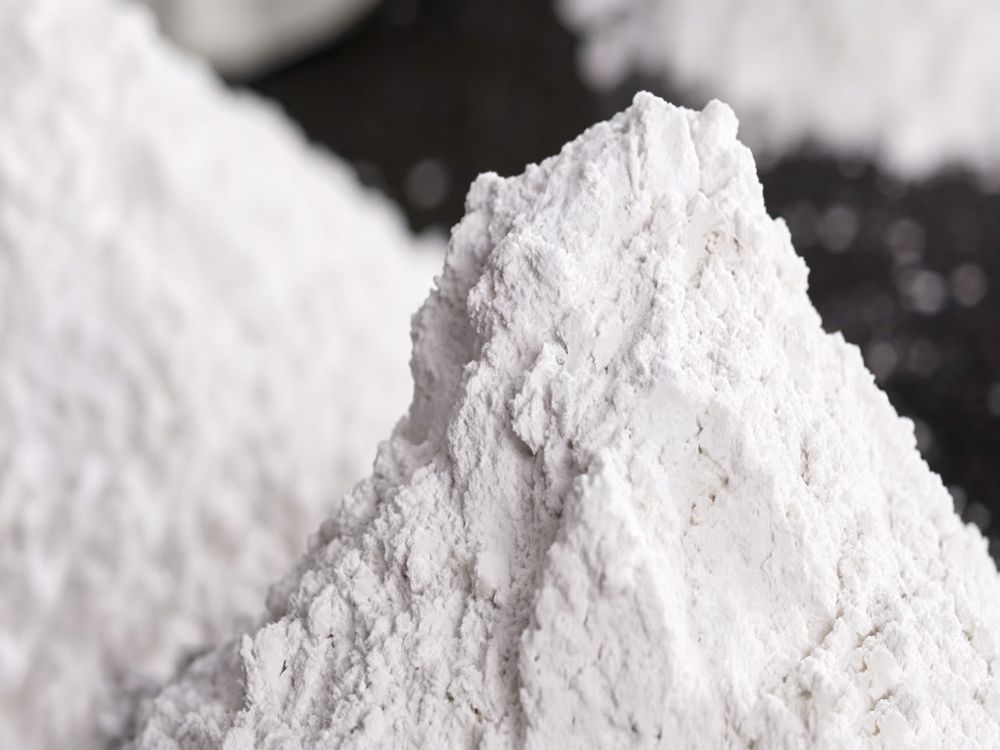
| Physical form | Free-flowing powder |
| Color | White to light yellow (grade-dependent) |
| Moisture content (105°C, 2 hr) | ≤ 3.5% |
| Particle size (200 mesh, 74 μm) | ≥ 95–99% passing |
| Bulk density | 0.35–0.60 g/cm³ |
| Specific gravity | ~1.6–1.7 g/cm³ |
| Thixotropic index (1 wt% in xylene) | ≥ 3.5–4.5 (grade-dependent) |
| Shelf life | 2 years (sealed, dry, below 50°C) |
| CAS No. | 68153-34-4 (DMDA-modified organoclay) |
| Format | Details |
|---|---|
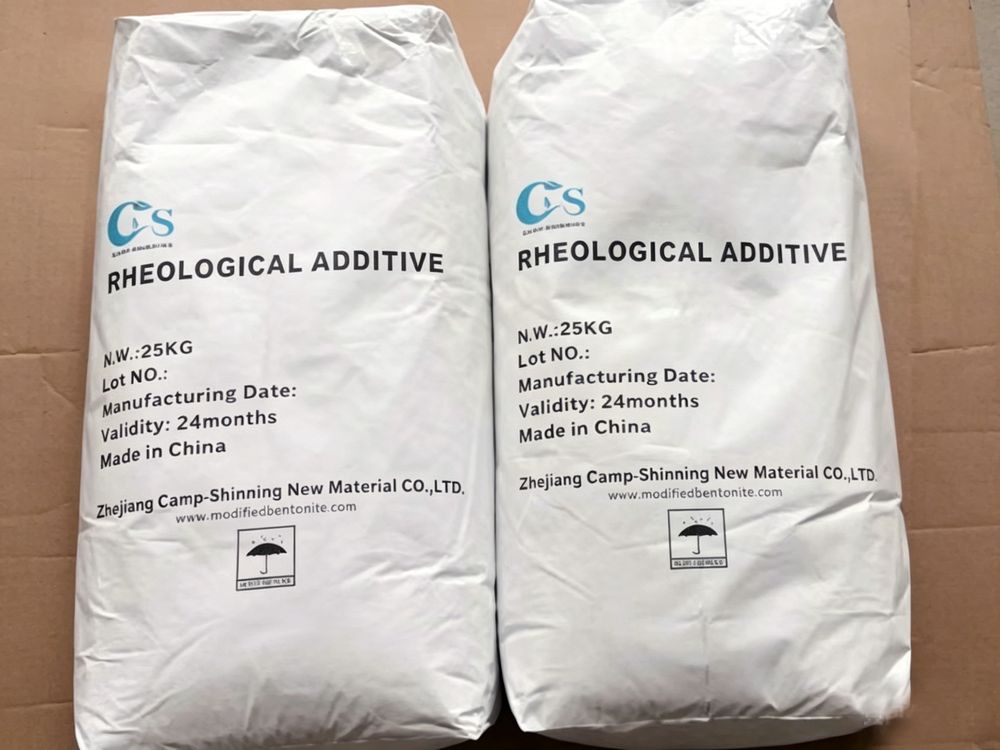
| Standard bag | 25 kg multi-layer kraft paper bags (moisture-resistant inner lining) |
| Big bag (FIBC) | 500 kg or 1,000 kg woven polypropylene super sacks |
| MOQ — FCL | 1 × 20' container (~17–20 MT in 25 kg bags; ~20 MT in big bags) |
| MOQ — LCL | 500 kg minimum (higher unit cost; available for most grades) |
| Samples | 200 g–2 kg by courier; free of charge for qualified inquiries |
| Lead time (stock grades) | Within 7 days ex-factory after payment confirmation |
| Shipping terms | FOB Qingdao / Tianjin; CIF; DDP available |
Related pages: Water-Based Organoclay · Product Finder · Paint & Coatings Application · Oil Drilling Application · Grade Matching Guide
ISO 9001:2015 certified. API 13A tested drilling grades. Tell us your application and solvent system — we'll recommend the right grade and ship free samples within 48 hours.
We reply within 24 hours on business days.
Thank you! Your inquiry has been received.
We'll get back to you within 24 hours.
WeChat ID
0086-13185071071