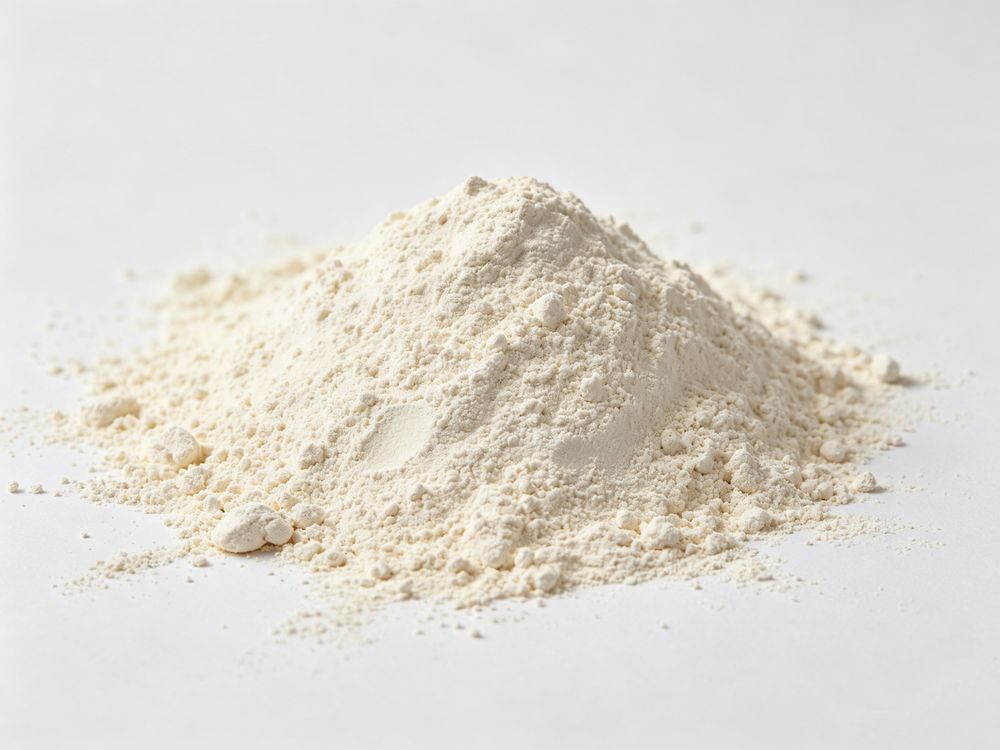
High-purity, low-silica organoclay with ultra-fine dispersion ≤10μm and self-activating property. LOI 26.0 ± 1.5%. Primarily for mineral oil-base lubricating greases at 7–10 wt%, and high-quality decorative/industrial paints, inks, and cosmetics at 0.1–1.0%.
CP-21A is a new-generation organophilic clay combining high purity, low silica content, ultra-fine dispersion fineness (≤10 μm), and self-activating property into a cost-effective grade. Its lower LOI (26.0 ± 1.5%) reflects an efficient organic modifier that maximizes gel performance per unit of modifier loading — achieving excellent dispersion and transparency at reduced organic content. Excellent dispersibility across manufacturing processes makes CP-21A a flexible production grade that adds flexibility to paint and grease manufacturing without a dedicated pre-gel preparation step.
Technical Properties
Parameter
Specification
Test Method
Chemical composition
Organic derivative of montmorillonite clay (high purity)
—
Appearance
Fine powder, light yellow
Visual
Moisture content
≤ 3.5%
105°C, 2 hours
Loss on ignition (LOI)
26.0 ± 1.5%
1000°C
Bulk density
0.40–0.60 g/cm³
—
Fineness
≥ 99% passing 74 μm (200 mesh)
Sieve analysis
Dispersion fineness
≤ 10 μm
Hegman/fineness gauge
Purity
High purity — low residual silica
XRF
Applications and Dosage
Application
Typical Dosage
Key Advantage
Lubricating grease (mineral oil base)
7–10 wt%
Main application; high-purity thickener
Decorative paint (high quality)
0.1–1.0 wt%
Ultra-fine ≤10μm, transparent gel
Industrial paint
0.2–1.0 wt%
Self-activating, high purity
Printing ink
0.5–1.5 wt%
≤10μm — no plate abrasion
Cosmetics (anhydrous)
1.0–5.0 wt%
High purity, transparent, low abrasion
Sealants and adhesives
0.3–1.0 wt%
Self-activating, easy dispersion
Cost-Effective High Performance: CP-21A achieves ≤10 μm dispersion fineness and self-activating performance — properties typically associated with premium grades — at a LOI of 26.0 ± 1.5%, which is lower than most high-performance grades. This reflects efficient modifier selection rather than reduced quality: CP-21A delivers premium dispersion characteristics and high purity at competitive cost, particularly for mineral oil grease applications where the lower LOI provides optimal clay-to-modifier ratio.
Incorporation Method
Grease Applications
Add CP-21A directly to mineral oil at 7–10 wt% under agitation
No pre-gel or polar activator required — small amount of polar activator is optional but helpful
High-speed dispersion for 25–30 minutes
Pass through colloid mill for smooth, homogeneous grease texture
Paint and Coating Applications
Add as direct powder at 0.1–1.0% before grinding stage
No polar activator required; small amount of activator improves performance in low-polarity systems
High-shear dispersion for 10–15 minutes
Frequently Asked Questions
Why does CP-21A have a lower LOI than other organoclay grades?
CP-21A LOI 26.0 ± 1.5% reflects an efficient quaternary ammonium modifier achieving equivalent or better dispersion at lower loading than conventional grades. The lower modifier content means a higher clay-to-organic ratio — advantageous in mineral oil grease systems and providing cost efficiency without sacrificing dispersion fineness (≤10μm) or self-activating property.
What type of mineral oil is CP-21A mainly used with in grease?
CP-21A is mainly used in mineral oil-base greases — specifically mid to high viscosity mineral base oils (ISO VG 100–680) for industrial bearing and general-purpose greases. Not the preferred grade for synthetic bases (PAO, polyester); for synthetic systems use CP-250A or CP-2143.
Is CP-21A suitable for transparent coatings?
Yes. CP-21A achieves ≤10μm dispersion fineness and produces a transparent, light-colored gel — suitable for transparent coatings, clear varnishes, and high-gloss systems. High purity minimizes haze from mineral contaminants. At 0.1–0.5% with high-shear dispersion, provides anti-settling and thixotropy without visible texture in clear film.