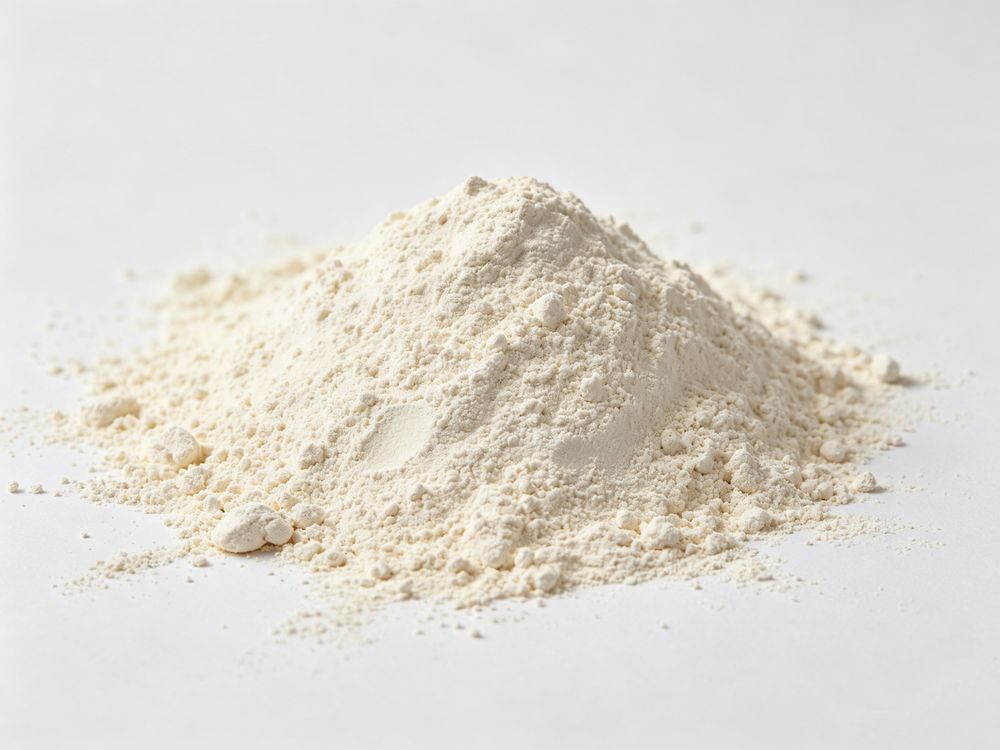
Purified organophilic clay grease thickener specifically designed for vegetable oil, polyester oil, and synthetic base oil lubricants. Light-colored gel. High gelling efficiency and fine thixotropy. The recommended grade for biodegradable and bio-based lubricating greases.
CP-720A is a purified organophilic clay designed as a thickener for lubricating greases based on synthetic oils — with particular emphasis on vegetable oil and polyester oil base stocks. As environmental regulations tighten requirements for biodegradable lubricants in agriculture, marine, construction, and food-processing applications, vegetable oil-based greases thickened with organoclay provide a renewable, biodegradable alternative to mineral oil soap greases. CP-720A's purification and surface modification are optimized for the ester functionality present in both vegetable and polyester base oils.
Technical Properties
Parameter
Specification
Test Method
Chemical composition
Organic derivative of montmorillonite clay (purified)
—
Appearance
Fine powder, light yellow
Visual
Moisture content
≤ 3.5%
105°C, 2 hours
Loss on ignition (LOI)
34–36%
1000°C
Bulk density
0.42 g/cm³
—
Fineness
≥ 98% passing 74 μm (200 mesh)
Sieve analysis
Compatible Base Oils
Base Oil Type
CP-720A Loading
Application
Vegetable oil (rapeseed, sunflower, soybean)
7–10 wt%
Biodegradable EAL greases
Polyester synthetic oil
7–10 wt%
High-temperature synthetic grease
Diester synthetic oil
8–12 wt%
High-temperature, biodegradable option
Polyalphaolefin (PAO)
8–12 wt%
High-performance synthetic grease
Mid-high viscosity mineral oil
8–12 wt%
General industrial grease
Biodegradable Grease Formulation: Vegetable oil-based organoclay grease meets OECD 301B ready biodegradability criteria (>60% biodegradation in 28 days) when using high-oleic rapeseed or sunflower base oil with CP-720A thickener and biodegradable additives. This makes CP-720A-thickened grease suitable for EU Ecolabel lubricant classification and environmentally acceptable lubricant (EAL) specification under US EPA Vessel General Permit requirements for marine applications.
Grease Production Procedure
Heat base oil to 60–70°C if conditions permit
Add CP-720A at 7–10 wt% while stirring; mix 5–10 minutes
Add polar activator: acetone/water (95:5) at 20–30% of CP-720A weight (2–3% of total formulation)
Add other additives (antioxidant, rust inhibitor, compatible with vegetable oil base)
Stir at high speed for 25–30 minutes
Pass through colloid mill and homogenizer
Deaerate, filter, package
Frequently Asked Questions
Is CP-720A suitable for biodegradable green grease?
Yes. CP-720A is specifically designed for vegetable oil base stocks — the primary base for environmentally acceptable lubricants (EAL) and biodegradable greases. At 7–10 wt% in high-oleic rapeseed or sunflower oil, CP-720A produces NLGI 1–3 greases with drop points >260°C. Suitable for agricultural equipment, marine applications (EPA VGP compliance), environmentally sensitive sites, and food-adjacent equipment requiring biodegradable lubrication.
What is the difference between CP-720A and CP-250A for grease applications?
CP-720A and CP-250A have similar technical specifications (LOI 34–36%, bulk density 0.42 g/cm³, same procedure). CP-720A is specifically recommended for vegetable oil and polyester oil base stocks — the preferred grade for biodegradable grease. CP-250A is described more broadly for synthetic oils including petroleum and mineral oil. Both perform similarly in vegetable and synthetic ester base stocks. CP-250A details →
Packaging and Storage
Parameter
Specification
Standard packaging
25 kg kraft paper bags with PE inner liner; 22.68 kg bags available