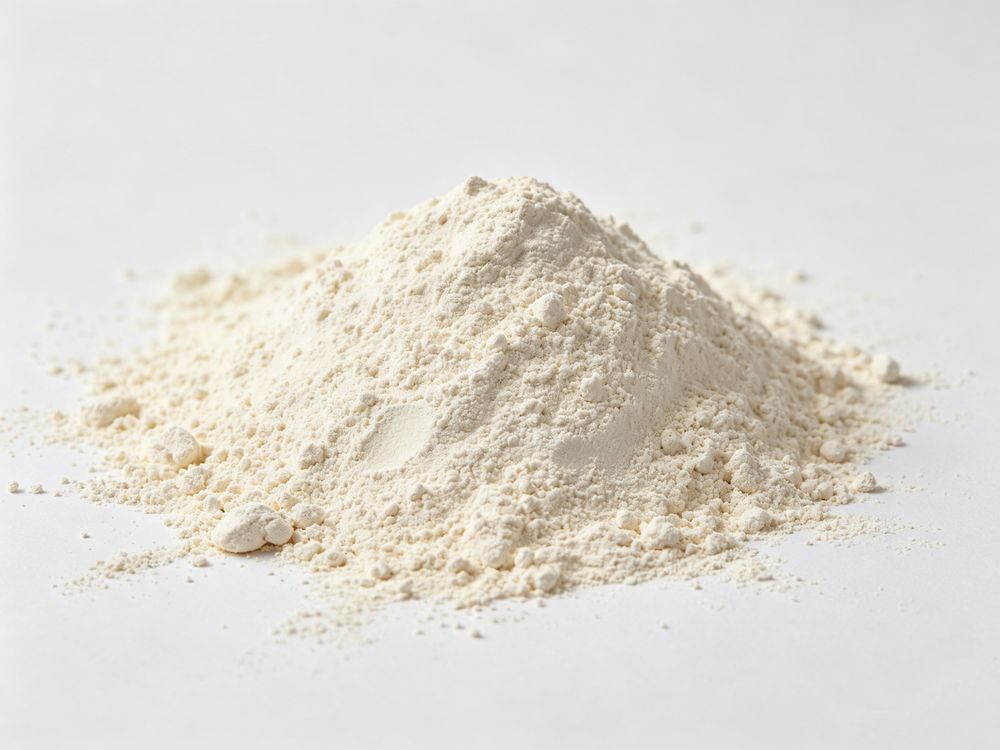
CP-VZ is an organophilic clay engineered for resin-containing formulations across the polyester, alkyd, acrylic, epoxy, and polyurethane resin families. The surface modification is specifically balanced for the polarity environment created by these resin systems in low to medium-high polarity solvents — providing reliable self-activating gel development without polar activator in the presence of reactive and polar resin functional groups. Dispersion fineness ≤20 μm ensures smooth texture in industrial coatings, inks, and cosmetics. Post-correction capability allows viscosity adjustment without batch rejection.
Technical Properties
| Parameter | Specification | Test Method |
|---|
| Chemical composition | Organic derivative of montmorillonite clay | — |
| Appearance | Fine powder, light yellow | Visual |
| Moisture content | ≤ 3.5% | 105°C, 2 hours |
| Loss on ignition (LOI) | 31–33% | 1000°C |
| Bulk density | 0.35–0.45 g/cm³ | — |
| Fineness | ≥ 98% passing 74 μm (200 mesh) | Sieve analysis |
| Dispersion fineness | ≤ 20 μm | Hegman/fineness gauge |
| Activation | Self-activating — no polar activator required | — |
Target Resin Systems
| Resin System | Typical Solvent | CP-VZ Dosage |
|---|
| Alkyd resin | Mineral spirits, xylene | 0.3–1.0 wt% |
| Polyester resin | Xylene, butyl acetate, styrene | 0.3–1.0 wt% |
| Acrylic resin | Xylene, butyl acetate, ethyl acetate | 0.3–1.0 wt% |
| Epoxy resin (1K and 2K) | MEK, xylene, butyl acetate | 0.3–1.2 wt% |
| Polyurethane (1K and 2K) | Butyl acetate, xylene, MEK | 0.3–1.2 wt% |
| Sealants and adhesives | Various polar solvents | 0.5–2.0 wt% |
| Printing ink (oil/solvent-based) | Aliphatic/aromatic solvents | 0.5–2.0 wt% |
| Lubricating grease | Mineral/synthetic base oil | 8–15 wt% |
Resin Compatibility Advantage: Polyurethane and epoxy two-component systems present a challenge for conventional organoclay — the polar functional groups (isocyanate, epoxide, hydroxyl) can interfere with the polar activator activation mechanism if added incorrectly. CP-VZ's self-activating character allows it to develop gel structure directly in the resin-solvent mixture without requiring a separate polar activator addition step, reducing formulation complexity in reactive two-component systems.
Incorporation Method
- Add CP-VZ as dry powder before grinding — best dispersion and thixotropy development at the grinding stage
- Add at 0.2–1.0% of total formulation weight; no polar activator required
- Disperse at high shear (1,500–2,500 rpm) for 10–15 minutes
- For enhanced performance (optional): add 95% ethanol at 20–30% of CP-VZ weight before dispersion for higher thixotropic index in low-polarity systems
- Post-correct if needed after full formulation assembly
Frequently Asked Questions
What resin systems is CP-VZ designed for?
CP-VZ is recommended for polyester, alkyd, acrylic, epoxy, and polyurethane resin systems in low to medium-high polarity solvents. The self-activating modification handles the polar environment of these resin systems without requiring a separate polar activator — particularly useful in two-component epoxy and PU systems where activator timing can be critical. Direct powder addition before grinding achieves full thixotropy development.
Does CP-VZ need a polar activator?
No. CP-VZ is self-activating for direct powder addition without polar activator. For maximum thixotropy in low-polarity aliphatic systems, optional ethanol at 20–30% of CP-VZ weight further improves performance. This flexibility — self-activating for simplicity, or activator-enhanced for maximum performance — makes CP-VZ adaptable to both simple and demanding resin-based formulations.
What is the dispersion fineness of CP-VZ?
CP-VZ achieves dispersion fineness ≤20μm — finer than standard organoclay (≤40μm) but coarser than ultra-fine grades (≤10μm). Suitable for industrial coatings, sealants, printing inks, and cosmetics requiring smooth texture without the premium cost of ≤10μm grades. For ≤10μm requirements in the same resin systems, use
CP-EZ.
Packaging and Storage
| Parameter | Specification |
|---|
| Standard packaging | 25 kg kraft paper bags with PE inner liner; 22.68 kg bags available |
| Shelf life | 2 years from manufacture date |
| Storage conditions | Cool, dry, well-ventilated warehouse; avoid moisture exposure |
Related grades: CP-APA (self-activating, ketone/ester focus) ·
CP-EZ (≤10μm ultra-fine) ·
CP-34 (highest gel strength with activator)
Related applications: Paint & Coatings ·
Adhesive & Sealant ·
Printing Ink