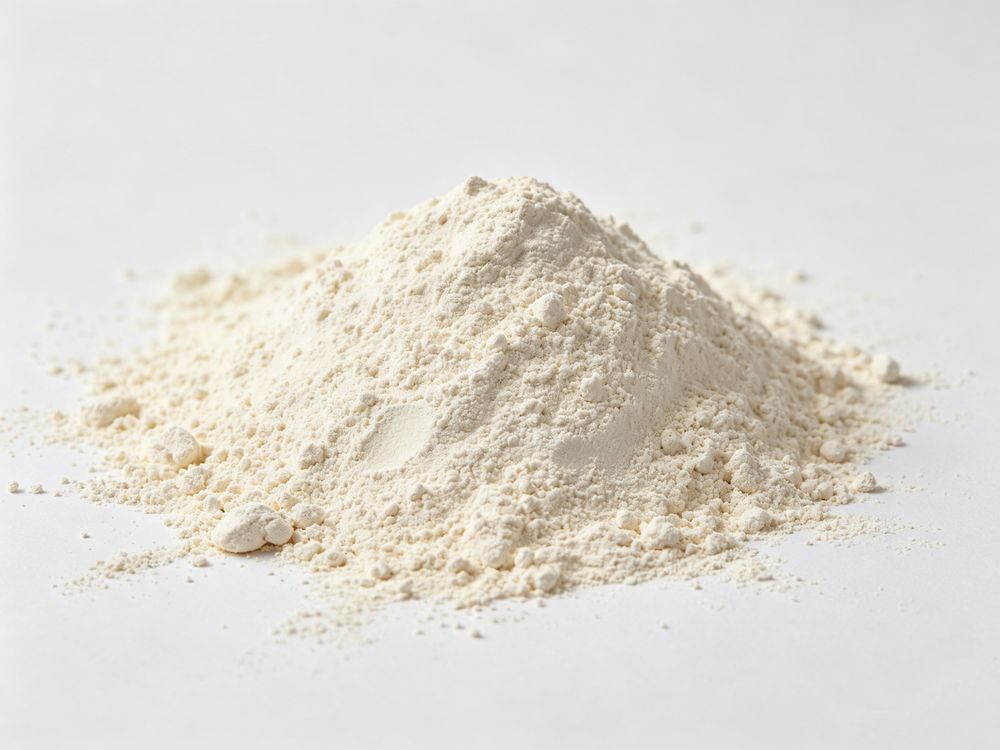
CP-120 is an organophilic clay with ultra-fine dispersion fineness (≤10 μm) and medium-to-high polarity compatibility. The higher organic modifier content (LOI 34–37%) provides reliable gel development in aromatic solvent systems and no-solvent (UV-curable) ink formulations where lower-LOI grades may underperform. A notable feature of CP-120 is its compatibility with multiple polar activator types — acetone, ethanol, methanol, and dipropyl carbonate — providing formulation flexibility where standard ethanol activation is undesirable.
Technical Properties
| Parameter | Specification | Test Method |
|---|
| Chemical composition | Organic derivative of montmorillonite clay | — |
| Appearance | Fine powder, light yellow | Visual |
| Moisture content | ≤ 3.5% | 105°C, 2 hours |
| Loss on ignition (LOI) | 34–37% | 1000°C |
| Bulk density | 0.35–0.45 g/cm³ | — |
| Fineness | ≥ 95% passing 74 μm (200 mesh) | Sieve analysis |
| Dispersion fineness | ≤ 10 μm | Hegman/fineness gauge |
Applications and Dosage
| Application | Typical Dosage | Notes |
|---|
| Lubricating grease (synthetic/ester oil) | 7–10 wt% | Acetone/water or ethanol activator; heat 60–70°C; colloid mill |
| No-solvent inks (UV-curable) | 0.5–2.0 wt% | Medium-high polarity monomer systems |
| Aromatic solvent-based ink | 0.5–2.0 wt% | Planographic, gravure in aromatic vehicles |
| Industrial paint (aromatic system) | 0.3–1.2 wt% | Pre-gel with ethanol activator |
| Cosmetics (anhydrous, aromatic) | 1.0–5.0 wt% | ≤10μm — smooth skin feel, no grittiness |
| Cleaning agents | 0.5–3.0 wt% | Suspension of cleaning particles in solvent vehicle |
Multiple Activator Flexibility: CP-120 accepts acetone, ethanol, methanol, or dipropyl carbonate as polar activator — unlike most organoclay grades specified only for ethanol/methanol. Dipropyl carbonate is particularly useful in water-sensitive formulations where anhydrous activation is required, and in applications where ethanol introduction would cause compatibility problems with other ingredients. This activator flexibility makes CP-120 a more versatile choice for specialty formulation environments.
Incorporation Method
Grease Applications
- Heat base oil to 60–70°C if conditions permit
- Add CP-120 at 7–10 wt% while stirring
- Add polar activator (acetone, ethanol, methanol, or dipropyl carbonate at 3% of total formulation)
- Stir at high speed for 25–30 minutes
- Pass through colloid mill and homogenizer
Other Applications (Paints, Inks, Cosmetics)
- No heating required — standard temperature processing
- Pre-gel procedure with ethanol activator recommended for best performance
- Add at 0.2–2.0% before grinding stage
- High-shear dispersion for 10–15 minutes
Frequently Asked Questions
What polarity solvents is CP-120 suitable for?
CP-120 is for medium to high polarity systems: aromatic solvents (xylene, toluene), aromatic solvent blends, and no-solvent (UV-curable monomer) ink systems. High LOI (34–37%) enables gel development in these polar environments. For low-polarity systems (mineral oil, aliphatics), grades like CP-34 or CP-300A are better matched.
What polar activators are compatible with CP-120?
CP-120 accepts acetone, 95% ethanol, 95% methanol, and dipropyl carbonate — more options than most organoclay grades. Dipropyl carbonate is particularly valuable for water-sensitive or anhydrous formulations where ethanol/methanol introduction would cause problems. Select activator based on formulation compatibility requirements.
What is a no-solvent ink and how does CP-120 perform in it?
No-solvent (UV-curable) inks contain reactive acrylate and methacrylate monomers/oligomers instead of evaporative solvents — high polarity, 100% solids systems. CP-120's high LOI and medium-high polarity range enable gel development in reactive monomer vehicles. The ≤10μm dispersion fineness prevents plate abrasion and ensures smooth UV ink film without undispersed texture.
Packaging and Storage
| Parameter | Specification |
|---|
| Standard packaging | 25 kg kraft paper bags with PE inner liner |
| Shelf life | 2 years from manufacture date |
| Storage conditions | Cool, dry, well-ventilated warehouse; avoid moisture |
Related grades: CP-EZ (≤10μm, self-activating, widest range) ·
CP-250 (ink-specific, no activator needed) ·
CP-388 (high purity, PE/PP composites)
Related applications: Printing Ink ·
Lubricating Grease ·
Cosmetics