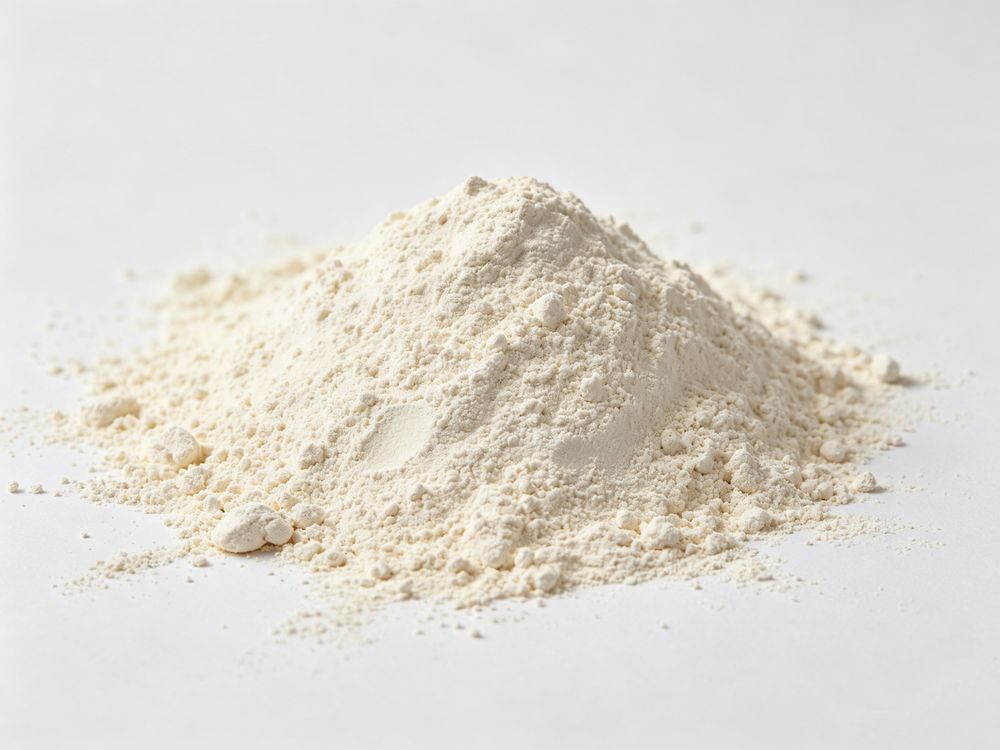
High-polarity organophilic clay for epoxy resin systems and high-alcohol solvent formulations. Specified for marine coatings, container coatings, anti-corrosion industrial paints, cosmetics, lubricating greases, and sealants. Gel strength ≥3.0 Pa·s in xylene.
CP-27A is an organophilic clay with surface chemistry optimized for high-polarity resin and solvent environments. The higher organic modifier content (LOI ≤38%) and modified surface treatment enable reliable gel network development in the polar environments created by epoxy resins, high-alcohol solvent systems, and polyamide-cured coatings — conditions where standard organoclay grades may provide insufficient thixotropy due to modifier-solvent polarity mismatch. A gel strength specification of ≥3.0 Pa·s in xylene provides a quantified performance benchmark for incoming quality control.
Technical Properties
Parameter
Specification
Test Method
Chemical composition
Organic derivative of montmorillonite clay
—
Appearance
Fine powder, light yellow
Visual
Moisture content
≤ 3.5%
105°C, 2 hours
Loss on ignition (LOI)
≤ 38%
1000°C
Bulk density
0.48–0.53 g/cm³
—
Fineness
≥ 98% passing 74 μm (200 mesh)
Sieve analysis
Gel viscosity in xylene
≥ 3.0 Pa·s
Brookfield viscometer
Applications and Dosage
Application
Typical Dosage
Specific Use
Marine coatings (epoxy-based)
0.4–1.2 wt%
Anti-sag in thick-film hull and deck paint
Container coatings
0.3–1.0 wt%
Anti-settling and anti-sag in epoxy topcoat
Anti-corrosion primers and topcoats
0.4–1.2 wt%
Thixotropy in epoxy-zinc and epoxy-polyamide
High-alcohol solvent systems
0.3–1.0 wt%
Gel development in polar alcohol-dominant systems
Cosmetics (anhydrous)
1.0–5.0 wt%
Suspension and texture in color cosmetics
Sealants and adhesives
0.5–2.0 wt%
Non-sag, thixotropic extrusion profile
Lubricating grease
8–15 wt%
High-temperature thickener
Marine Coating Performance: CP-27A at 0.5–0.8 wt% in two-component epoxy marine paint (xylene/n-butanol solvent blend) provides thixotropic index of 4.0–5.5 (measured 6/60 rpm, Brookfield) — sufficient for anti-sag in wet film thicknesses of 100–200 μm on vertical hull surfaces. The gel strength remains stable after addition of the epoxy curing agent (polyamide), maintaining anti-sag performance through the induction period before film cure begins.
Incorporation Method
Add CP-27A directly as powder before grinding — direct addition without pre-gel is effective in high-polarity systems
Add at 0.2–1.0% of total formulation weight
Disperse at high shear for 10–15 minutes
Optional: pre-gel procedure with ethanol polar activator (20–30% of CP-27A weight) for maximum thixotropy in mixed aromatic/aliphatic solvent systems
For two-component systems: add CP-27A to Part A (resin component) only; verify rheology before mixing with Part B (hardener)
Frequently Asked Questions
Why is CP-27A specifically recommended for epoxy resin systems?
CP-27A has higher organic modifier content (LOI ≤38%) and surface chemistry optimized for the polar environment of epoxy resins. Conventional organoclay in epoxy systems can show reduced gel efficiency because epoxide and hydroxyl groups interfere with standard activation. CP-27A maintains reliable thixotropy in epoxy Part A components and two-component marine/anti-corrosion coating formulations where standard grades underperform.
What coatings applications is CP-27A used for?
CP-27A is used in marine coatings (epoxy hull paint, antifouling), container coatings, anti-corrosion industrial primers and topcoats (epoxy-zinc, epoxy-polyamide), and high-alcohol solvent systems. It provides thick-film anti-sag performance (TI ≥4.5 in typical epoxy systems) for high-build coatings applied at 100–200+ μm wet film thickness on vertical surfaces. Marine & anti-corrosion coating guide →
What is the gel strength specification of CP-27A in xylene?
CP-27A achieves ≥3.0 Pa·s viscosity in xylene — a reference gel strength specification for incoming quality control. This value confirms minimum gel network density under standard dispersion conditions. For formulation development, actual yield point in the target solvent/resin system should be measured in the specific formulation, as resin type and polarity will modify the final rheological profile.
Packaging and Storage
Parameter
Specification
Standard packaging
25 kg kraft paper bags with PE inner liner; 22.68 kg bags available