Instant Connect
Scan to connect via WhatsApp or WeChat
An economy organophilic bentonite for developing viscosity, carrying capacity and gel structure in qualified non-aqueous drilling-fluid systems.
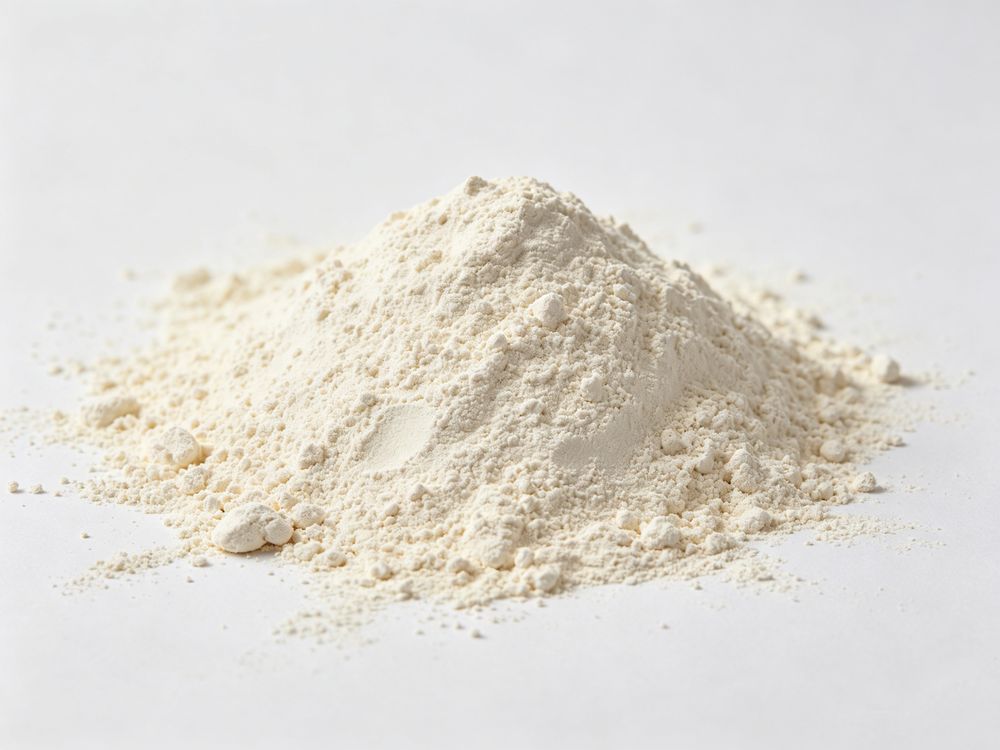
An economy organophilic bentonite for developing viscosity, carrying capacity and gel structure in qualified non-aqueous drilling-fluid systems.
| Product | Best for | System type | Activation method | Main benefit | Limitation |
|---|---|---|---|---|---|
| CP-3 | Economy non-aqueous drilling-fluid trials | Diesel, clean mineral oil and compatible synthetic olefin fluids | Current drilling procedure with adequate shear | Viscosity, suspension and carrying capacity | Recommended bottom-hole temperature boundary is ≤150°C |
| Parameter | Published value | Scope / note |
|---|---|---|
| Composition | Alkyl quaternary ammonium bentonite | Same-company product description |
| Sieve passing | 85% through 200 mesh / 74 μm | Published source value |
| Specific gravity | 1.6 | Typical value; confirm current COA |
| Loss on ignition | 37% | 1 hour at 1,000°C |
| Appearance | Free-flowing powder | Visual / supply description |
| Standard package | 25 kg bags | Confirm current availability |
| Recommended operating boundary | Bottom-hole temperature ≤300°F / 150°C | Application recommendation, not a universal performance guarantee |
Use the current CP-3 drilling procedure. The public source supports high-shear incorporation but does not establish one universal field dosage for every mud density, oil/water ratio or base fluid.
The 150°C statement is a recommended bottom-hole temperature boundary from the source. It does not replace API or customer-specific aging, rheology, filtration and electrical-stability testing for the complete fluid.
| Grade | Use when | Selection boundary |
|---|---|---|
| CP-3 | An economy non-aqueous drilling-fluid trial is needed within the stated temperature boundary | Do not assume a universal dosage or high-temperature qualification |
| CP-982 | The current product taxonomy calls for a standard diesel/mineral-oil OBM viscosifier | Its positioning and test profile are not identical to CP-3 |
| CP-992 | Synthetic or low-BTEX base fluid and rapid-yield positioning are required | Confirm current TDS and base-fluid test conditions |
| CP-31 | Self-activating, lower-shear or cold-climate selection is required | Confirm activation and temperature data before substitution |
| Observed issue | Check first | Practical next step |
|---|---|---|
| Low carrying capacity | Base-fluid polarity, dispersion, treatment level and solids load | Verify sequence and run a controlled CP-3 ladder with rheology measurements |
| Slow yield development | Shear energy, mixing time and equipment | Compare actual process conditions with the current procedure |
| Excessive gel or high PV | Over-treatment and compatibility with the mud package | Adjust only after measuring all fluids at the same aging condition |
| Performance loss after aging | Temperature boundary and fluid chemistry | Review the 150°C boundary and evaluate another grade if required |
| Weak filtration control | Emulsifier, lime, brine and solids-control package | Treat CP-3 as one rheology component, not the complete fluid package |
Technical owner: Camp-Shinning Application Technology Team, China. Product selection and final use level should be confirmed against the current TDS, SDS, lot COA and formulation test results.
Last reviewed: September 24, 2026
Product resources: all organoclay products · Product Finder
Related products: Solvent-based organoclay grades · CP-982 · CP-992
Related applications: Oil-Based Drilling Fluids · Water-Based Drilling boundary · All Applications
Related formulation goals: Viscosity Control · High-Temperature Stability
Share your binder or base fluid, solvent system, solids level, processing equipment and target rheology. Camp-Shinning will confirm the current documents and recommend a formulation-specific evaluation plan.
We reply within 24 hours on business days.
Thank you! Your inquiry has been received.
We'll get back to you within 24 hours.
WeChat ID
0086-13185071071