Instant Connect

Scan to connect via WhatsApp or WeChat
A dual-use organophilic montmorillonite grade for viscosity, thixotropy, suspension and anti-sagging in solvent coatings, and organoclay thickening in qualified grease formulations.
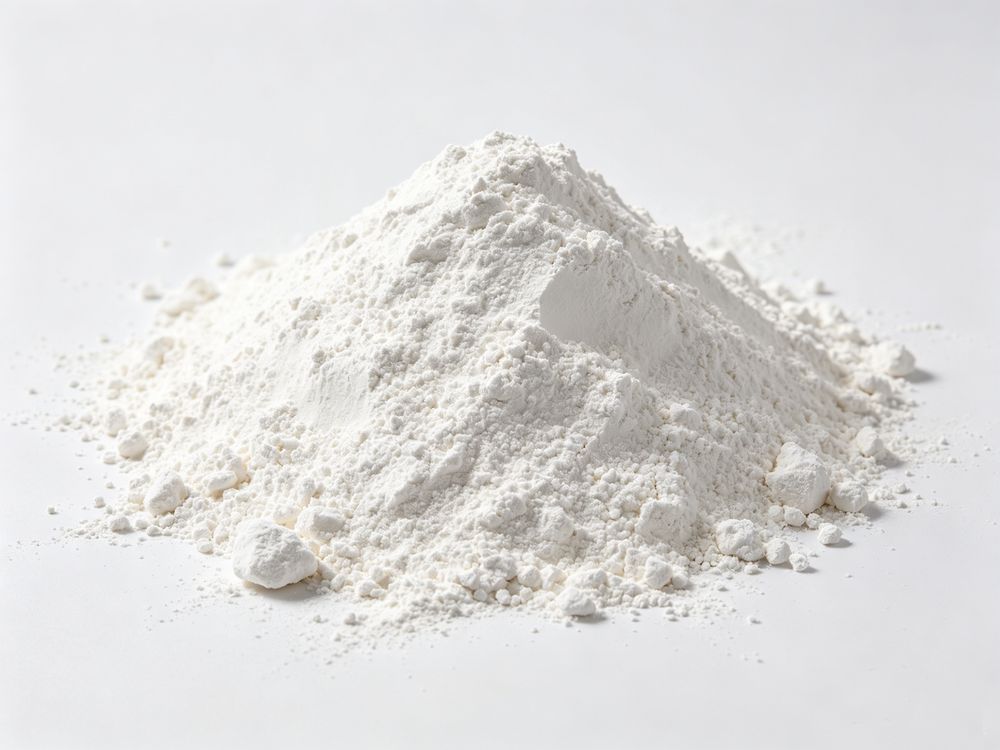
A dual-use organophilic montmorillonite grade for viscosity, thixotropy, suspension and anti-sagging in solvent coatings, and organoclay thickening in qualified grease formulations.
| Product | Best for | System type | Activation method | Main benefit | Limitation |
|---|---|---|---|---|---|
| CP-40 | Solvent-based coatings and organoclay-thickened grease | Low- to medium-high-polarity solvents; compatible grease base oils | High shear plus polar activation; suitable polar activator recommended in grease | Viscosity, suspension, anti-sag and grease thickening | Coating pre-gel instructions are not a grease manufacturing recipe |
| Parameter | Published value | Scope / note |
|---|---|---|
| Composition | Organic derivative of montmorillonite clay | Same-company CP-40 source |
| Appearance | Fine white powder | Visual description |
| Moisture | ≤3.5% | 105°C for 2 hours |
| Loss on ignition | 28–31% | 1,000°C |
| Bulk density | 0.53 g/cm³ | Published grade value |
| Fineness | ≥98% passing 74 μm | Sieve reference |
| Solvent-coating addition | 0.2–2.0 wt% | Published general solvent-system guidance; optimize in the actual coating |
| Coating activator reference | 40–50% of CP-40 weight; about 30–40% in xylene guidance | Coating process only; current TDS controls type and exact level |
| Grease addition | 2–8 wt% of total grease formulation | Confirmed experimental range; final level by base-oil and consistency testing |
| Grease activation | Suitable polar activator recommended | Select type, ratio and sequence by formulation testing |
| Shelf life | 24 months | Store dry and ventilated at 0–30°C |
| Packaging | 25 kg, 50 lb or 600 kg | Confirm current availability |
A 6–10% pre-gel may be prepared when the plant process calls for a concentrate. That concentration is not the final coating dosage.
Screen CP-40 at 2–8 wt% of the total grease formulation. A suitable polar activator is recommended because it can improve dispersion and allow the grade’s thickening and rheological performance to develop more fully. The activator type, ratio, addition point, process temperature, shear and cooling profile must be selected by testing the actual base oil.
| Grade | Use when | Selection boundary |
|---|---|---|
| CP-40 | One grade is being evaluated separately for solvent coatings and lubricating grease | Use separate coating and grease test plans |
| CP-250A | A dedicated grease grade is required for the target base oil and temperature profile | Use its own loading and process data |
| CP-EL | Low-polarity solvent coating or mineral/white-oil screening is the primary need | Compare base oil, solvent and activation data |
| CP-EDS | Fine-particle, medium/high-polarity performance is central | Not an automatic substitute for CP-40 |
| Observed issue | Check first | Practical next step |
|---|---|---|
| Coating settles or sags | Activation, shear, polarity match and use level | Check activator choice, sequence and dosage in a controlled coating trial |
| Coating is too thick or levels poorly | Excess structure or activator | Compare low- and high-shear viscosity and adjust through a controlled ladder |
| Grease is too soft | Clay level, activator, base-oil polarity, shear and cooling | Measure worked penetration and repeat with one variable changed at a time |
| Grease is grainy or too hard | Wetting, dispersion, over-treatment and temperature history | Review the dispersion endpoint and process before changing loading |
| Oil separation | Base-oil compatibility and network development | Compare activator and CP-40 levels under the same test method |
Technical owner: Camp-Shinning Application Technology Team, China. Product selection and final use level should be confirmed against the current TDS, SDS, lot COA and formulation test results.
Last reviewed: September 24, 2026
Product resources: all organoclay products · Product Finder
Related products: Solvent-based organoclay grades · CP-250A · CP-EL
Related applications: Paint & Coatings · Lubricating Grease · Oil-Based Drilling Fluids
Related formulation goals: Anti-Sagging · Viscosity Control
Share your binder or base fluid, solvent system, solids level, processing equipment and target rheology. Camp-Shinning will confirm the current documents and recommend a formulation-specific evaluation plan.
We reply within 24 hours on business days.
Thank you! Your inquiry has been received.
We'll get back to you within 24 hours.
WeChat ID
0086-13185071071