Instant Connect

Scan to connect via WhatsApp or WeChat
A conventional organophilic clay for rheology, pigment suspension and anti-sagging in qualified aliphatic, mineral-spirit and low-polarity coating systems.
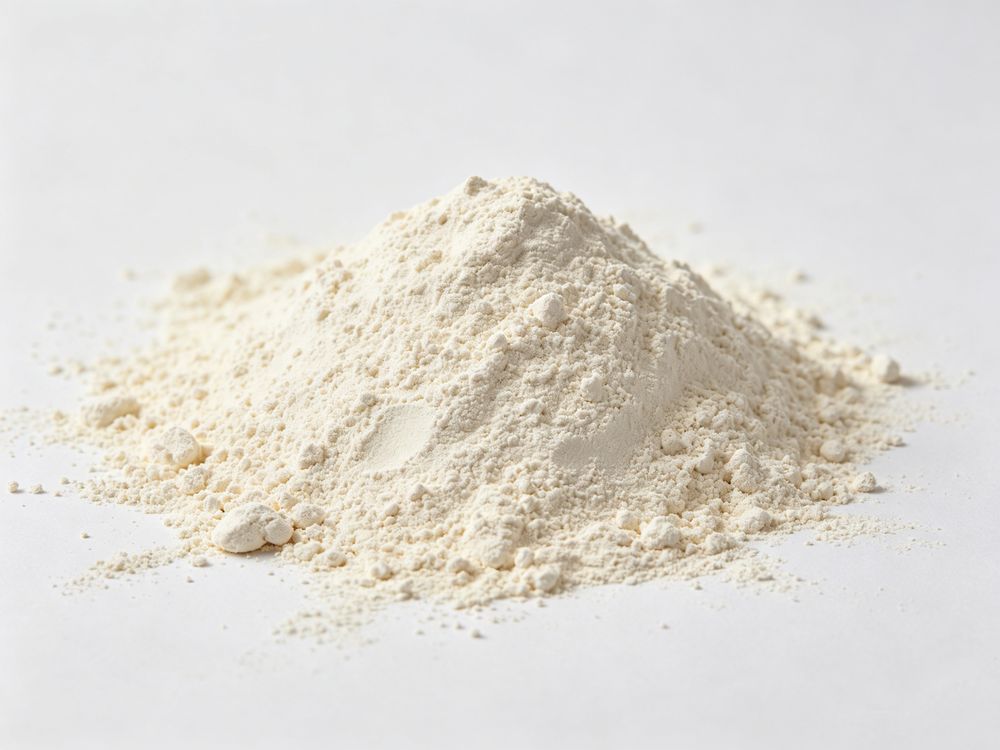
A conventional organophilic clay for rheology, pigment suspension and anti-sagging in qualified aliphatic, mineral-spirit and low-polarity coating systems.
| Product | Best for | System type | Activation method | Main benefit | Limitation |
|---|---|---|---|---|---|
| CP-EL | Low-polarity marine and aliphatic solvent coatings | Aliphatic / mineral-spirit / low-polarity solvent systems | Conventional polar activation per current TDS | Viscosity, suspension and anti-sagging | Not the default for high-polarity or self-activating systems |
| Parameter | Published value | Scope / note |
|---|---|---|
| Loss on ignition | 28–32% | 1,000°C; confirm current TDS |
| Moisture | ≤3.5% | Grade-table value; confirm current COA |
| Dispersion fineness | Standard | No numeric CP-EL value established in the current public table |
| Polarity range | Intermediate to low | Grade-table positioning |
| Dispersing type | Conventional | Use current polar-activator procedure |
| Primary coating use | Low-polarity marine and aliphatic systems | Product-selection table |
| Marine-coating reference | 0.5–2.0 wt% | Application-level screening range |
| Activator reference | 30–40% of organoclay weight | Internal grade guide; confirm type and exact CP-EL level in current TDS |
Use the current CP-EL TDS to select the permitted polar activator and exact ratio. A conventional sequence is to wet the organoclay in the solvent/resin phase, disperse under high shear, add the activator, then complete activation before adding surfactants and remaining components.
A 6–10% pre-gel concentration may be used when the plant procedure requires a concentrate. This number is the pre-gel concentration, not the final coating dosage.
| Grade | Use when | Selection boundary |
|---|---|---|
| CP-EL | A low-polarity aliphatic or marine coating uses conventional activation | Do not assume self-activation |
| CP-40 | Broader coating polarity or dual coating/grease positioning is needed | Its coating and grease routes must be evaluated separately |
| CP-34 | A broader conventional coating/drilling role is required | Compare current gel and activation data |
| CP-EDS | Fine-particle performance in a medium/high-polarity system is central | Different fineness and polarity target |
| Observed issue | Check first | Practical next step |
|---|---|---|
| Weak anti-sagging | Solvent polarity, treatment and activation | Confirm activator ratio and dispersion endpoint |
| Poor suspension | Binder/solvent match and pigment density | Run a controlled comparison with the current approved grade |
| Excess viscosity | Organoclay and activator levels | Adjust only after fixed-shear viscosity measurement |
| Haze in a clear coating | Dispersion fineness and grade suitability | Evaluate a fine-particle grade when the clarity target requires it |
Technical owner: Camp-Shinning Application Technology Team, China. Product selection and final use level should be confirmed against the current TDS, SDS, lot COA and formulation test results.
Last reviewed: September 24, 2026
Product resources: all organoclay products · Product Finder
Related products: Solvent-based organoclay grades · CP-40 · CP-34
Related applications: Paint & Coatings · Oil-Based Drilling Fluids · Lubricating Grease
Related formulation goals: Anti-Sagging · High-Temperature Stability
Share your binder or base fluid, solvent system, solids level, processing equipment and target rheology. Camp-Shinning will confirm the current documents and recommend a formulation-specific evaluation plan.
We reply within 24 hours on business days.
Thank you! Your inquiry has been received.
We'll get back to you within 24 hours.
WeChat ID
0086-13185071071