Instant Connect

Scan to connect via WhatsApp or WeChat
An easy-dispersing, fine-particle organoclay grade for rheology and suspension in qualified medium- to high-polarity solvent systems.
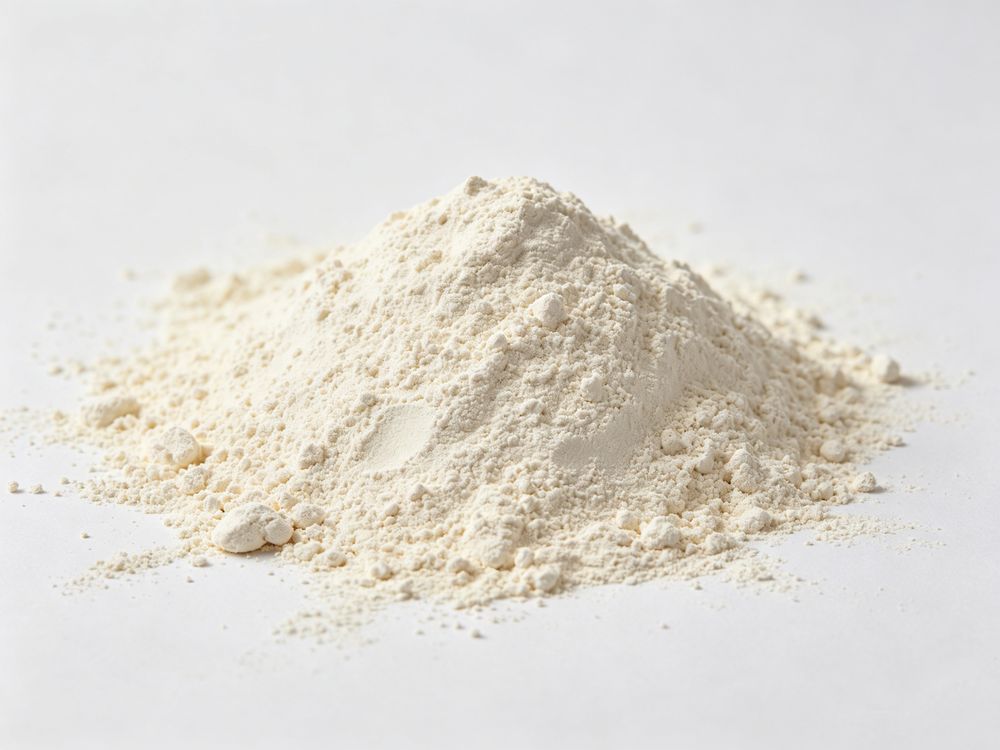
An easy-dispersing, fine-particle organoclay grade for rheology and suspension in qualified medium- to high-polarity solvent systems.
| Product | Best for | System type | Activation method | Main benefit | Limitation |
|---|---|---|---|---|---|
| CP-EDS | Transparent coatings, selected inks and sealants | Medium- to high-polarity solvent systems | Easy-dispersing; confirm activation in current TDS | ≤10 μm dispersion fineness and rheology control | Not automatically self-activating or suitable for every UV system |
| Parameter | Published value | Scope / note |
|---|---|---|
| Loss on ignition | 34–37% | 1,000°C; confirm current TDS |
| Moisture | ≤3.5% | Grade-table value; confirm CP-EDS COA |
| Dispersion fineness | ≤10 μm | Published grade-table value |
| Polarity range | Medium to high | Grade-table positioning |
| Dispersing type | Easy-dispersing | Does not by itself mean activator-free |
| Transparent-coating reference | 0.2–1.0 wt% | Application-level screening range |
| Ketone/ester ink reference | 0.3–0.8 wt% | Application-level screening range |
| Adhesive/sealant reference | 0.5–2.0 wt% | Application-level screening range |
Add CP-EDS before grinding when the current formulation and TDS support direct powder incorporation. Provide enough wetting and shear to reach the required fineness; do not infer activator-free processing from the term easy-dispersing.
| Grade | Use when | Selection boundary |
|---|---|---|
| CP-EDS | Fine dispersion and medium/high-polarity compatibility are central | Confirm activation and application compatibility |
| CP-MPZ | The main intent is UV, mixed-polarity or ink-specific rheology | Its activation and dosage data are different |
| CP-APA | A self-activating high-polarity grade is confirmed by the current TDS | Fine-particle target and activation route differ |
| CP-40 | A conventional coating or dual coating/grease grade is needed | Not an equivalent fine-particle selection |
| Observed issue | Check first | Practical next step |
|---|---|---|
| Haze or visible specks | Dispersion endpoint, binder compatibility and required fineness | Measure fineness and review shear before changing dosage |
| Low suspension | Polarity match and incomplete dispersion | Confirm solvent range and repeat a controlled dosage ladder |
| Excess viscosity | Treatment, activator and shear history | Measure at a fixed temperature and process history |
| Unstable ink flow | Ink base, pigment package and press-relevant shear | Test CP-EDS under the actual ink and cure conditions |
Technical owner: Camp-Shinning Application Technology Team, China. Product selection and final use level should be confirmed against the current TDS, SDS, lot COA and formulation test results.
Last reviewed: September 24, 2026
Product resources: all organoclay products · Product Finder
Related products: Solvent-based organoclay grades · CP-MPZ · CP-APA
Related applications: Paint & Coatings · Printing Ink · Adhesives & Sealants
Related formulation goals: Anti-Settling · Viscosity Control
Share your binder or base fluid, solvent system, solids level, processing equipment and target rheology. Camp-Shinning will confirm the current documents and recommend a formulation-specific evaluation plan.
We reply within 24 hours on business days.
Thank you! Your inquiry has been received.
We'll get back to you within 24 hours.
WeChat ID
0086-13185071071